


Dubus are electronic music artists known for their cinematic live dub performance. Motivated by their love for the harder edge studio productions, Jennifer ‘Dub’ and Carlos ‘Bus’ founded Dubus in 2001. Grounded in deep sub bass, heavy drum machine beats, a retro-futuristic psy vibe and an unmistakable syncopation Dubus music is a style on it's own.
Jennifer and Carlos met in the mid nineties when the Tijuana scene was blooming,
going to uni, playing in a band and promoting events for local and touring artists was a thing. That do it yourself spirit is the force behind the constant evolution in techniques, equipment and lineups such as electroacoustic band, dj set and live electronic act to play Dubus’ music, being the synchronized audiovisual performance the outfit that has gained notoriety locally and nationally.
In 2017 Dubus published most of their backdated material prior to the release of the I Am album, along with Omid in 2018, product of a three year residence in Mexico City, a move that gave the duo a special outernational window as their InRBG visual projections were an important piece of the thriving sound system scene. I Am captures seven centuries of history from the site where it was composed and produced in 11 instrumental tracks, while Omid counterparts with 13 both more grounded and at the same time more ethereal musical pieces.
Upon returning their studio instruments provided a much needed creative outlet, chance presented an opportunity to learn how to build effect pedals and understand a bit more how electronic circuitry actually works; this evolved into a research workshop, an online radio station and a few other side projects as Dubus’ established unique sound matured.
In 2024 new audiovisual singles were released through social media which caught the attention of legendary Jamaican producer Scientist who proposed remixing one of those tracks resulting in a multi-single EP featuring lyrics and vocals by legendary foundation deejays Ranking Joe, Joseph Cotton, General Jah Mikey and Dignitary Stylish as well as up and coming talents Inner Voice, Mr. Suprize and Dylan Judah thus initiating in 2025 a new level of production for Dubus beyond musical pieces and towards actual songs.
Dubus is currently promoting their first 7" vinyl releases off the multi-single EP co-produced with Scientist, promoting TJ Dub Club events powered by their own I Am sound system, broadcasting reggae dub music globally through Dubtown Radio 24/7 online and as always experimenting and producing the next string of releases on their DoBe Records label.
dubus.tv ℗ 2026
Although Dubus considers I Am Special Edition CD and Omid their 2 official full lenght releases, many tracks have been self published as singles, EPs and LPs in CDRs, social media, digital outlets and some have been included in both digital and physical compilation releases by several labels. Dubus have performed at events and venues in cities like Berlin, Brussels, Ciudad de México, Freiburg, Hamburg, Los Angeles, Lucern, Morelia, Nuremberg, Plsen, Potsdam, Puebla, San Luis Potosí, Tijuana, Weimar and shared stage or studio time with artists such as Alpha & Omega, Alpha Steppa, Big Youth, Blackboard Jungle, Chazbo, Dignitary Stylish, Dub Dynasty, Easy Star All-Stars, Fidel Nadal, General Jah Mikey, Iration Steppas, Jah Shaka, Johnny Osbourne, Jonah Dan, Joseph Cotton, King Shiloh, Mad Professor, Manu Chao, OBF, P-18, Ranking Joe, Ras Tinny, Sargento García, Scientist, Stereo Total, The Heptones, Tijuana No, Tristeza and Vibronics among many other amazing artists. A profile interview was broadcasted on mexican national television by Canal 14 in December 2018.
*to watch Dubus on BeatMX click here

"Dubus a duo that came from Tijuana and now living in the heights of the Valley of Mexico, highly attached to their gear, their real time execution of music have made Dubus an essential project in the Digital Dub scene, one that explores all of it's mutations and effects that characterize this music."
Bajo Fest.
"Dubus, a reggae dub band from there, from Tijuana, but that just recently moved to Mexico City ...friends, really talented in what they do, like in a sense that mixes a lot of what goes on in the digital world with a synth touch, kinda eighties but also with a futuristc edge, isn’t it? ...see it? They’ve always had this Kraftwerk kinda story, that it seems half robotic but also kind of thinking in sci-fi, they tend to go towards drum and bass, spacey, world music, because it has it’s spaced out touch.”
Andres Odonne - Cassette Blog.
“This is good, gooey electronic dub-funk -somewhere between Nortec Collective and music for spanish-language pornos starring pasty nerds with lots of moles. They will be my house band at my cool lounge with mid-century modern furniture. I will name a martini after them.”
Ron Summers, San Diego City Beat.
"Dubus induced us in a trance with their idyllic reggae, which was surprisingy beautiful, glased with sweet keyboard sounds, bells and subtle techno layering. Inspiring, efimerous, dreamy. They were something special and one of my favourites.”
Falling James, LA Weekly.

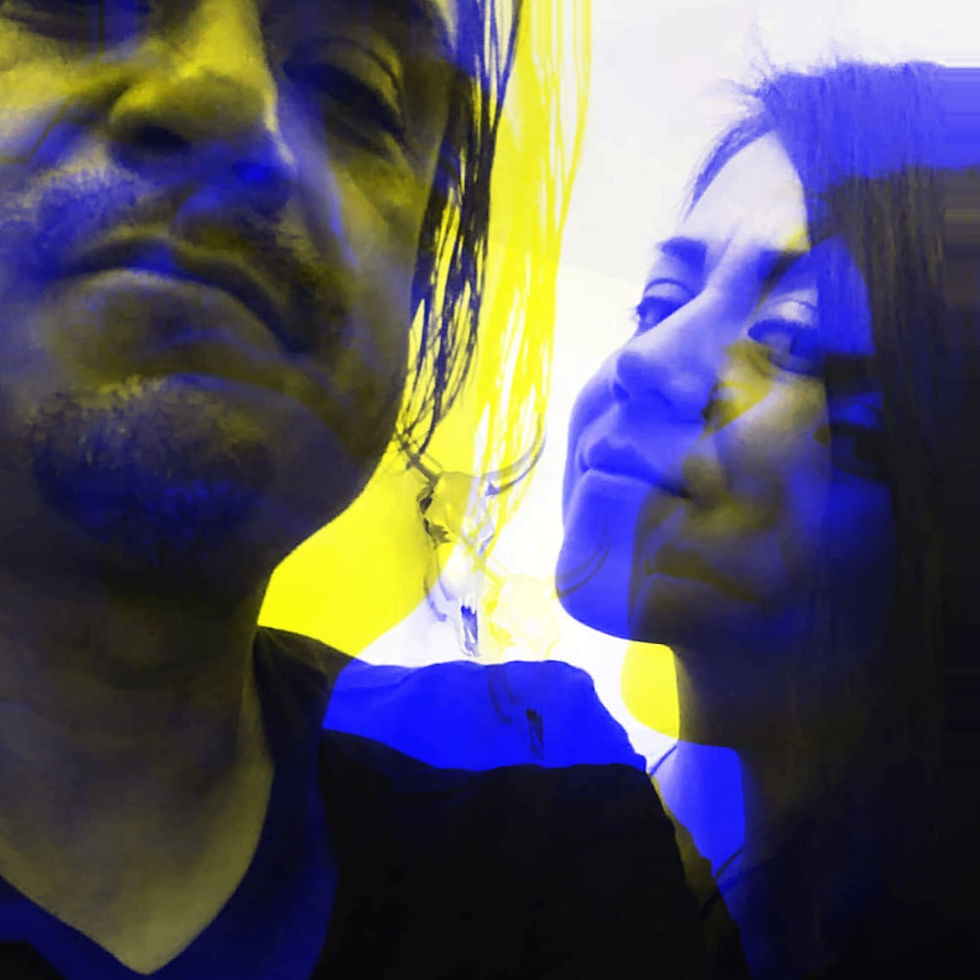
On December 2024 Dubus was asked for an interview by Dan Dada Records for their blog due to their latest release on the label, a remix of Bandulu Dub's 'Snowflakes Fall' single featuring Victoria Moralez.
*listen to Dubus' remix here
How did Dubus come to life as a project? What inspired you to explore dub music, and how did your creative journey begin?
At the beginning of 2001 we reunited with our previous band, we were a seven member outfit then and some of us wanted to expand our usual punk/ska sound inspired by albums like OK Computer (Radiohead), Homework (Daft Punk), Dummy (Portishead), Clandestino (Manu Chao), Sublime and many other now classics. We were hooked on Fruity Loops, it was such a good way to learn music theory and a way into electronic music production techniques, something that all those albums had in common even though stylistically they might be very different.
That soon led us to making Dubus a side project all together and eventually we stopped rehearsing as that band and started playing along with the loops and sequences on a MiniDisc player; laptop computers were still out if our reach, but we did realize that we needed to work hard and invest in serious gear in order to get the sound we were after.
It took some time but through music sharing in our inner circle of friends we found the connection of those and some other of our most beloved albums and the sound that had come out of Jamaican studios like King Tubby's and Lee 'Scratch' Perry's Black Ark. That's when it all made sense, that Dub Version label on the B-side of all the vinyl releases by the new wave / post-punk singles we grew up listening to in Tijuana.
About 7 years into it we got a couple of Akai MPC drum machines and we decided to leave past band line-ups behind, it was us Jennifer and Carlos who'd been pursuing this path mostly, since childhood, we'd both grown in very musically inclined households, surrounded by records, mixtape making, casiotone keyboards, musicians and live music.
Your sound is deeply immersive, blending electronic and psychedelic dub elements. Could you describe your creative process? How do you approach producing and performing your music?
Usually we write new tunes whenever we feel the need to disconnect from the outside world, whatever situation that might be going on. Creating a bass line is the most important step, channeling the right vibe as is sets both the rhythm and the harmony; we love playing with the MPCs, the feeling of the raw drum and cymbal samples when you hit the pads is unlike anything else we've tried, very powerful, so the beat is always fun. The melodies are deeply inspired by the timbre of the sounds we choose, we are always looking for new textures and at the same time we tend to go for the vintage vibe of our small collection of synths, and sometime we'll even sample some other instruments, depends on what we're going for.
For many years our focus was in our live performance, so we'd rehearse a lot, always looking to make the most out of the gear we had in hand at the time, arranging it in a way that would allow us to create something out of a loop of tracks coming in and out and going through effect pedals as we feel at the moment.
In 2015 we felt ready to make a proper album, so our focus shifted a bit to arranging the music as to make instrumental songs that could tell a specific story. Then our main concern was to capture that live performance feeling and achieving that sound that inspired us from the very beginning.
How has Tijuana’s unique music and cultural scene influenced your sound and artistic vision? Are there any local artists or experiences that shaped your path?
Indeed Tijuana is very unique due to it's location, it's grown along the borderline to California and that gives us a world of possibilities, even more so in the neighborhood we grew as kids, it was like an island between the international border fence, an interstate high speed way and the Pacific Ocean, isolated from national media airwaves up until the mid nineties.
The city thrived from the United States alcohol prohibition in the 1920s which gave way to it's tradition to tending that type of tourism, you know, bars for young marine soldiers as drinking age here is 18 vs 21 there. On the other hand, people from all over the country got stuck here on their way to the 'American Dream', which gave way to a melting pot that, looking on the bright side of the situation, music benefited from.
It was probably Herb Alpert who gave identity to this melting pot through the Tijuana Brass albums even though he only experienced it from a bullfight tourist point if view. That Charles Mingus' Tijuana In Blues mixed with percussion, marimba and mariachi horns sound was also present in Santana's historical performance at Woodstock.
Tijuana's sound was shaped by those influences in the early seventies, 5 or 6 piece bands playing ballads slightly influenced by either rock, tropical music or both. In the eighties post-punk and early hiphop came into scene and later gave birth to the nineties indie culture that found us as teenagers.
All of the above represents a small portion of the city's population, the border crossing card holders, that's probably what's shaped us the most, being able to listen to english sung music on the radio, movies, tv, buying import records, going to shows in the San Diego / Los Angeles area, shopping fashion and most importantly music instruments. The majority of the population came here in the last couple of decades and are foreign to this, maintaining their traditions and popular music still.
Your performances are often described as cinematic and powerful. How do you achieve that visual and sonic synergy during live shows?
A live session can be very nerve wrecking beforehand for us as we are deeply connected emotionally to our music, and for us that is the point of doing such presentations. As we both create the music together we just try to sense the energy from the audience and channel it through the performance, trusting that we know exactly how the music goes and that we've already preset every parameter in every track in a way that we are able to play with it and tell a story improvising along the way. And the same goes for the visual projections as well, which we would do every time if allowed by the circumstances.
What have been some of the biggest challenges for you as independent producers in the dub and electronic scene? How have you overcome them?
Being able to do it is the biggest challenge; dealing with the real world circumstances and being able to disconnect from them in order to manifest peace and silence to enjoy the home studio. Sacrificing wants, needs and moments too, in order to get the gear and skill to produce Dubus.
Dealing with the so-called scene is a challenge, if it were really about music we'd be doing live performances way more than we actually do. Not going into details about this is a challenge.
We wouldn't say we've overcome them, it's more like that we trust that this is our given mission and that we just get stronger and wiser as we keep moving forward along the path.
What’s next for Dubus? Are there any new releases, collaborations, or projects on the horizon?
We are working on the visual presentation for the next series of live sessions, when or wherever those might be, and we are also taking a step forward with our music, recording a couple of vocal tracks with some artists that have influenced us and we deeply admire and respect and that we'd rather not reveal their names up until the very moment of release, but we're very excited about it and, trust us, it will be good, better than anything you might expect from a humble couple of artists out of Playas de Tijuana.
What advice would you give to emerging music producers looking to carve their own path in experimental and electronic music?
Do it for the love of music above all. Invest in your gear. Music theory and history matter, invest your time learning and researching how and where did the music you like came to be. Listen to your inner voice. Take care of yourself and be respectful of those who care for you.

Dubus BeatMX episode was originally broadcasted on December 28th 2018 on the airwaves in Ciudad de México (CDMX), León y Celaya (GTO), Hermosillo y Cd. Obregón (SON), Guadalajara (JAL), Xalapa y Coatzacoalcos (VER), Morelia y Uruapan (MICH), Tampico (TAM), Monterrey (NL), Mérida (YUC), Oaxaca (OAX), Tapachula, San Cristobal de las Casas y Tuxtla Gutiérrez (CHIS), Toluca (MEX), Querétaro (QRO), Puebla (PUE), Aguascalientes (AGS), Campeche (CAM), Colima (COL), Mazatlán (SIN), Villahermosa (TAB) y Zacatecas (ZAC), every paid television service in the country and through Canal 14's own streaming platform.
on the first approach to music
Jennifer: since we were little... from childhood we’ve been in love with music, in my case growing up with a father who is also a musician, a painter, he taught me and my sibblings about music.
Carlos: I think that even before I can remember... there’s pictures of me playing with a xylophone; and through my uncles, they're in the music industry but on the other scope of it, what they now call mexican regional music. As a child I got to be around live shows by artists like Chico Che, Selena, Bronco, Los Tigres del Norte. And through my dad, always listening to classic rock: Pink Floyd, The Doors, The Beatles...
Jennifer: Hello, this is Jennifer.
Carlos: Carlos Juarez, we’re both Dubus and we basically do everything.
on music in their hometown
Carlos: we’re from Playas de Tijuana, (a community) located at the very corner of our country. And well, in Tijuana there is pretty much no dub at all, instead we have a lot of experimental electronic music, it’s always been like that traditionally, so when we first started this project there was a movement of what’s called jam bands, or improvisation music. So what we did then as dub music fit pretty well into that at the right moment, when the electronic music scene was taking over Tijuana, a city where traditionally rock music dominated the scene.
on I Am, the album
Jennifer: we’re about to celebrate 17 years of doing Dubus, and (just) recently achieved publishing our first album, even tough we’ve always published material somehow, is just that only until now an album wasn’t possible to achieve, and thanks to this opportunity and vision to move here (Mexico City) we were able to do it. In reality the hard thing about it is being away from friends, family, and that this city is huge, isn’t it?
on the music scene
Carlos: in Mexico city we’ve played more than in any other event at what they call dub clubs, the dub scene, whenever the opportunity presents itself, I think it’s because there’s a lot of projects in this city, a lot of things happening at once. On one side there is the sound system scene, and on the other there (we are) the dub music producers trying to conciliate a single scene (around it), so chances (to play live) are slim especially when international artist come and play here. In Tijuana we were used to play all sorts of shows, mainly (sharing the bill) with indie rock bands or electronic music live acts and rarely with reggae bands, a very wide scope in a musical style of sense.
about their personal life
Jennifer: we are a couple and we’re (both) passionate about playing, making music and (always) producing new music.
Carlos: if we have a couple of days off, or three days, (we prefer to) be able to have our gear hooked up, on, playing music, drinking water, orange juice or eating (home made freshfruit) popsicle sticks, we like that sort of things and being able to connect with other people that can appreciate the same type of stuff. When we go out in the street (people) admiring a bird on a tree top or that look up and go “oh! look at the moon tonight”, we’re passionate about finding that.
on Dubtown's producing method
Carlos: Dubus likes to work using hardware as you can see, we have a couple of drum machines, the first one is this: the Akai MPC, we like this one mainly for the drumsets it has and the bass it produces, I think that this one gives us what characterizes our sound, but when it comes down to composing (new music) we prefer (also) working with this other drum machine that works with a software precisely called Maschine, it has a lot of (virtual) instruments and between the two of them... we connect gear in a way we can use both hardware and software together. For example, a typical Dubus track like this one, it’s called Trece (Thirteen), we made it together with The Dubbstyle, it started with the piano skank, which is the basic reggae and dub rhythm, and once we had this we started playing with a beat until we made one that worked with it, then we looked for ideas in other sound textures, like in the case a bass drum and a snare coming out of the MPC, and once we liked the beat we played with a synthesized bass line until we liked how it sounded together. Then having worked out the main idea we began recording more instruments, in this case we have everything already sampled, the main melodies come from melodica and zurna, so we have the possibility to play around with instruments individually and adding effects to any of them.
about performing live
Jennifer: (once programmed) it doesn’t always have to sound the same way, what makes it interesting is that we can isolate any sound according to the vibe of the moment and the event. If we are at a show where people have come with the expectation of dancing (a bit more like) in an electronic music party, we can make the very same sequences feel more upbeat. And the zurna for example, which is the instrument you can hear now, is the one instrument used to hypnotize cobras, so this is how I feel (about it) without going further into it, I feel that these kind of melodies have the power of captivating an audience.
on how to perform dub live
Carlos: in my opinion dub music is about experimentation, so there are many ways of doing it, aren’t they? This method is just something that works for us, there are other projects that play live drums over a computer sequence, or just a singer over a backing (pre-recorded) track, only live bass guitar over the software sequencer, or with and iPad app... what I mean by this is that dub is a very flexible genre of music that could be played a thousand different ways, this is just the way we like it, using drum machines and live effects.
on Dubus' target audience
Jennifer: In reality we’re barely starting to identify the type of audience we’d like to attract to our music, we’ve been playing to very diverse (music) scenes, we’ve had the opportunity of traveling and touring places like Europe that helped realize that the kind of people that enjoy music are open minded, appreciate life, nature, (they’re) people with good intentions.
Carlos: (on stage) I think that when we achieve a connection with the audience the performance flows better between us two, as we’ve been doing this for years I think that there isn’t even a need to speak as we’re playing live. This isn’t something to be proud of, but that night we had the I Am album release show we didn’t even rehearse for it, it was more like we worked so hard on it and listened to the final version so many times that we knew the tracks by heart and had enough confidence in ourselves that it was gonna be just fine, and it was, we know that when it flows it’s because we’ve connected with the audience.
about dub
Jennifer: dub (literally) means translating something (over the original audio track), dub can be applied to a visual projection and to music as well, you could use all sorts of media to produce dub.
about drugs
Carlos: well, drugs are everywhere, maybe (we tend to) associate them especially to the music scene and society tends to stigmatize it more than it should because, as with anything else, people who make recreational use of them are under their own responsibility, and mostly we could say that people make more harm to themselves by eating (unhealthy food or in excess), drinking coca-cola , by working with toxic peers or being in any unhealthy and undesirable relationship.
the message
Jennifer: what we want to transmit is basically to look inside ourselves and that’s (the intention) that our music has (in this moment), the roots we are looking to understand are not the same as those that have people all around emulating what happened in Jamaica, instead we are looking for our roots here (the native civilizations).
Carlos: give yourselves the chance of (really) listening, unplugging from the outer world and give music a chance, it can take you to a lot of places, we make instrumental music and it will bring out whatever you have inside yourself and that can be very therapeutic some times, and that’s a good thing.